Weather Watch: Memorial Day Weekend Across America with Amy Freeze
By
Amy Freeze
From stormy to sunny, Amy Freeze guides you through the unpredictable Memorial Day weekend weather across the U.S. Discover more on how to prepare.
Amy Freeze tracks a storm system across the central U.S. and a strong ridge of high pressure in the South. Stay updated with the latest forecast for a safe Memorial Day.
Join meteorologist Amy Freeze as she delves into the diverse weather patterns affecting the U.S. this Memorial Day Weekend. From severe weather risks to temperature fluctuations, our detailed analysis covers what to expect and how to prepare. Read about potential flash flooding, the heat wave in the Southwest, the expected thunderstorm impacts, and enjoy tips for your Memorial Day plans.
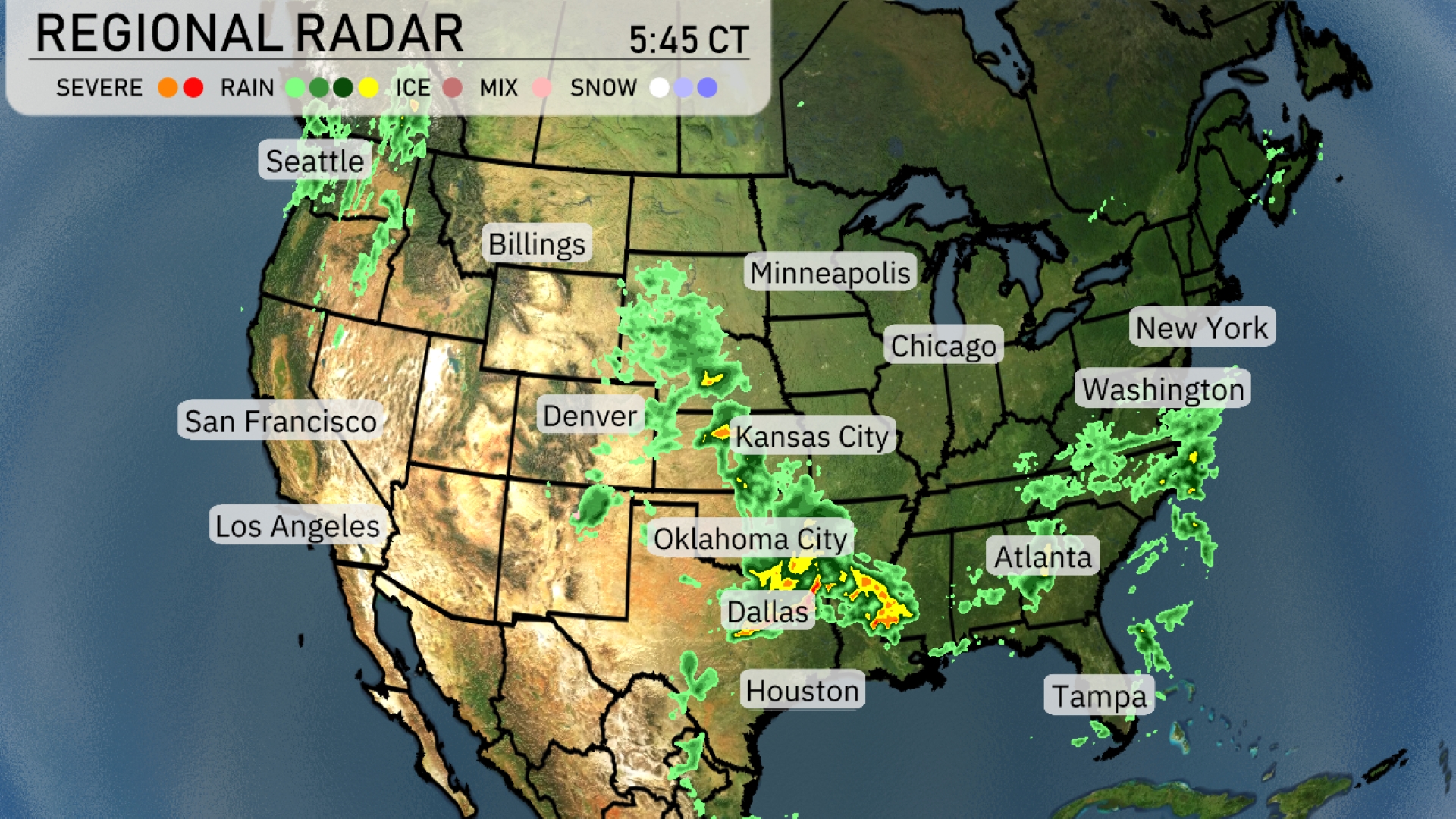
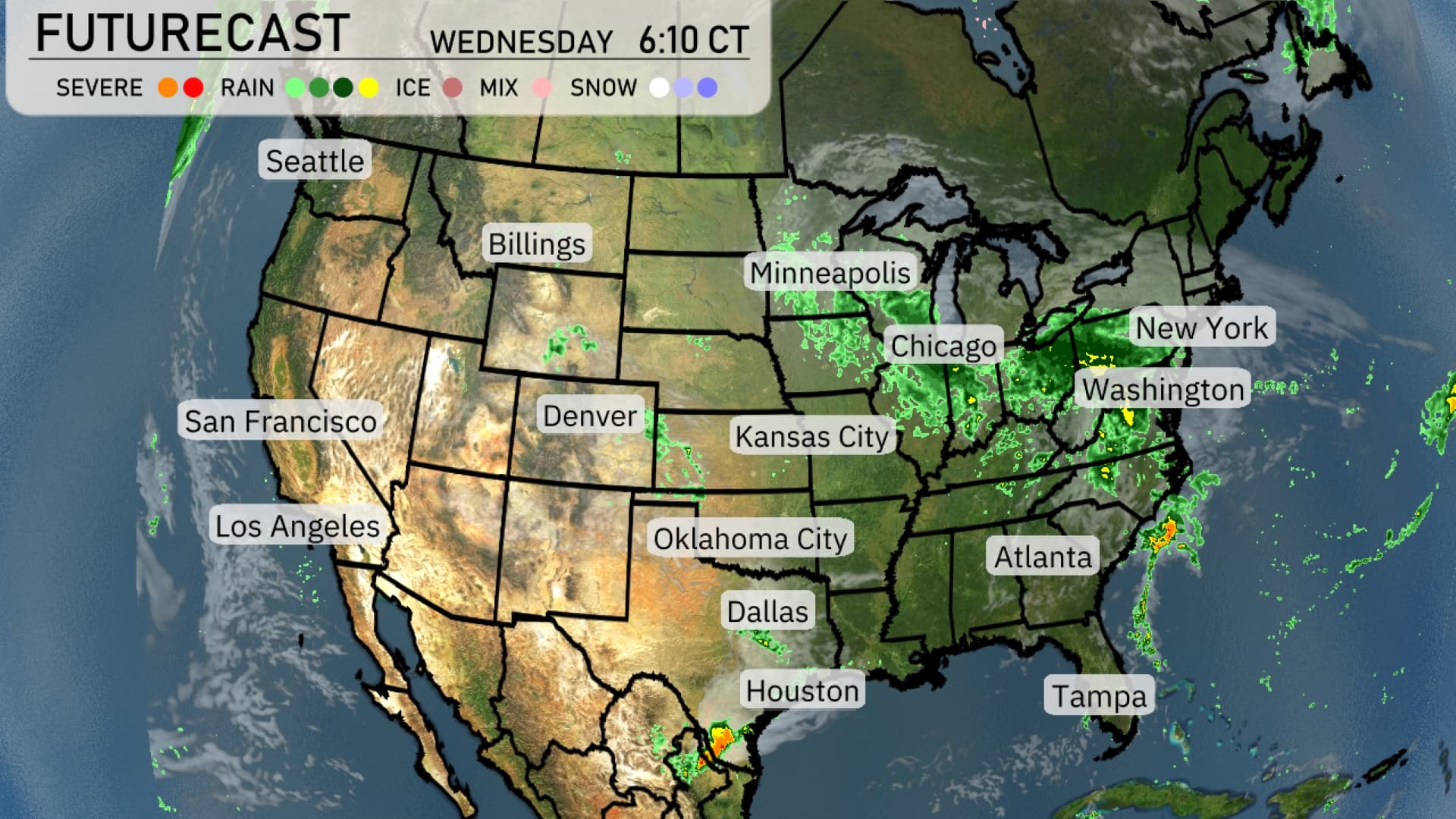
A storm system is currently making its way across the central United States, stretching from Oklahoma up to Kansas City. Heavy precipitation is impacting the areas around Oklahoma City, where significant rainfall could lead to flash flooding conditions. Moving eastward, Dallas is also experiencing organized rain showers, while Houston sees just a few lighter showers.
In the Rockies, near Denver, mixed precipitation is expected, potentially leading to slick conditions in the higher elevations. Meanwhile, the northern regions, such as Billings, are enjoying mostly clear skies. Across the Midwest, from Minneapolis down towards the Great Lakes, scattered rain showers are observed, but nothing too intense at the moment.
Heading to the Southeast, Atlanta is witnessing a surge in rain coverage, which could lead to soggy conditions throughout the day. The Northeast, including areas around New York and Washington, is experiencing mild conditions with cloudy skies. The Pacific Northwest, including Seattle, remains dry with clear skies.
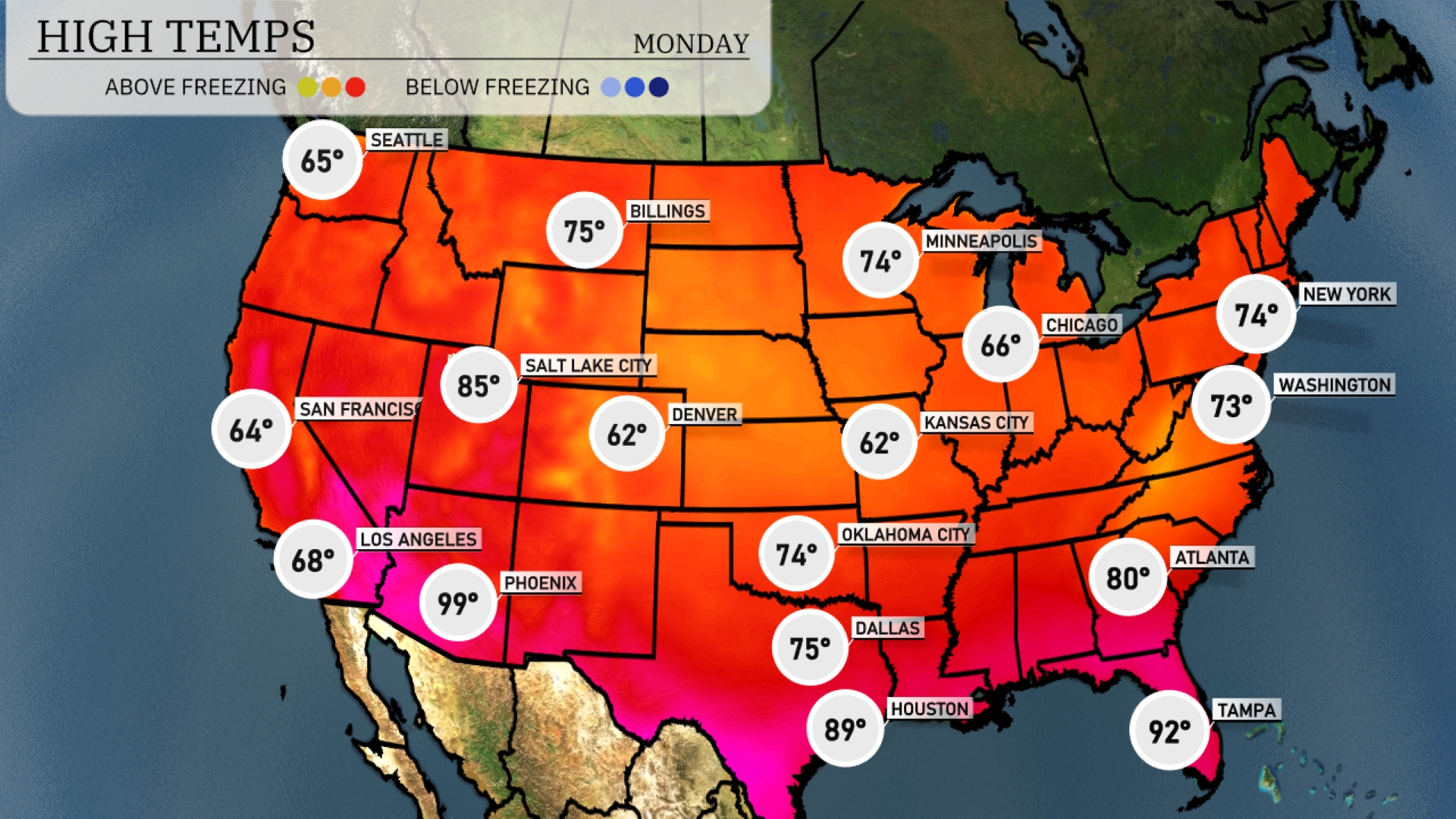
Today, we’re seeing some notable warm-ups across the country. In the Southwest, Phoenix sizzles at a staggering 99 degrees, making it the hottest city today. Los Angeles enjoys a mild 68 degrees, a stark contrast to the intense heat further inland. Heading east, Dallas reaches a comfortable 75 degrees, while Houston sits at a sultry 89 degrees. In the Southeast, Tampa shines bright at 92 degrees, surpassing Atlanta’s more moderate high of 80. Up north in Chicago, temperatures are cooler with a high of 66, creating a distinct temperature gradient across the region.
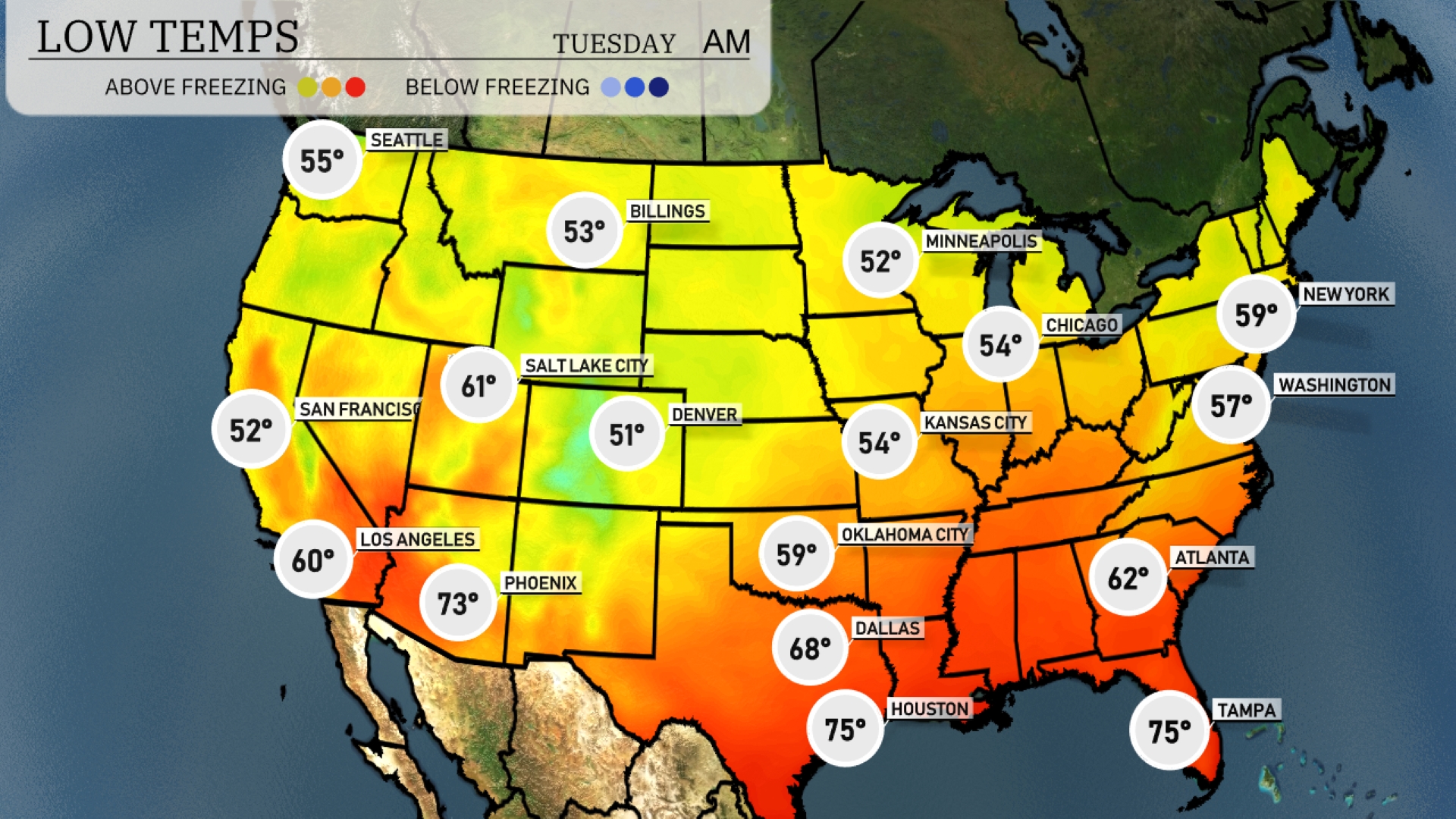
Now for the low temperatures tomorrow morning across the U.S. In the Northeast, expect a chilly 34 degrees in Boston, while New York stays slightly warmer at 39. Moving into the Midwest, Chicago will wake up to a brisk 32 degrees, and Minneapolis dips to 29, making it a particularly cold morning. Heading south, Atlanta will see lows of 39 degrees, while Dallas remains milder at 68. Out West, both Denver and Salt Lake City will experience lows around 51 degrees. Expect a noticeable drop in temperatures, especially in the northern plains and Midwest regions.
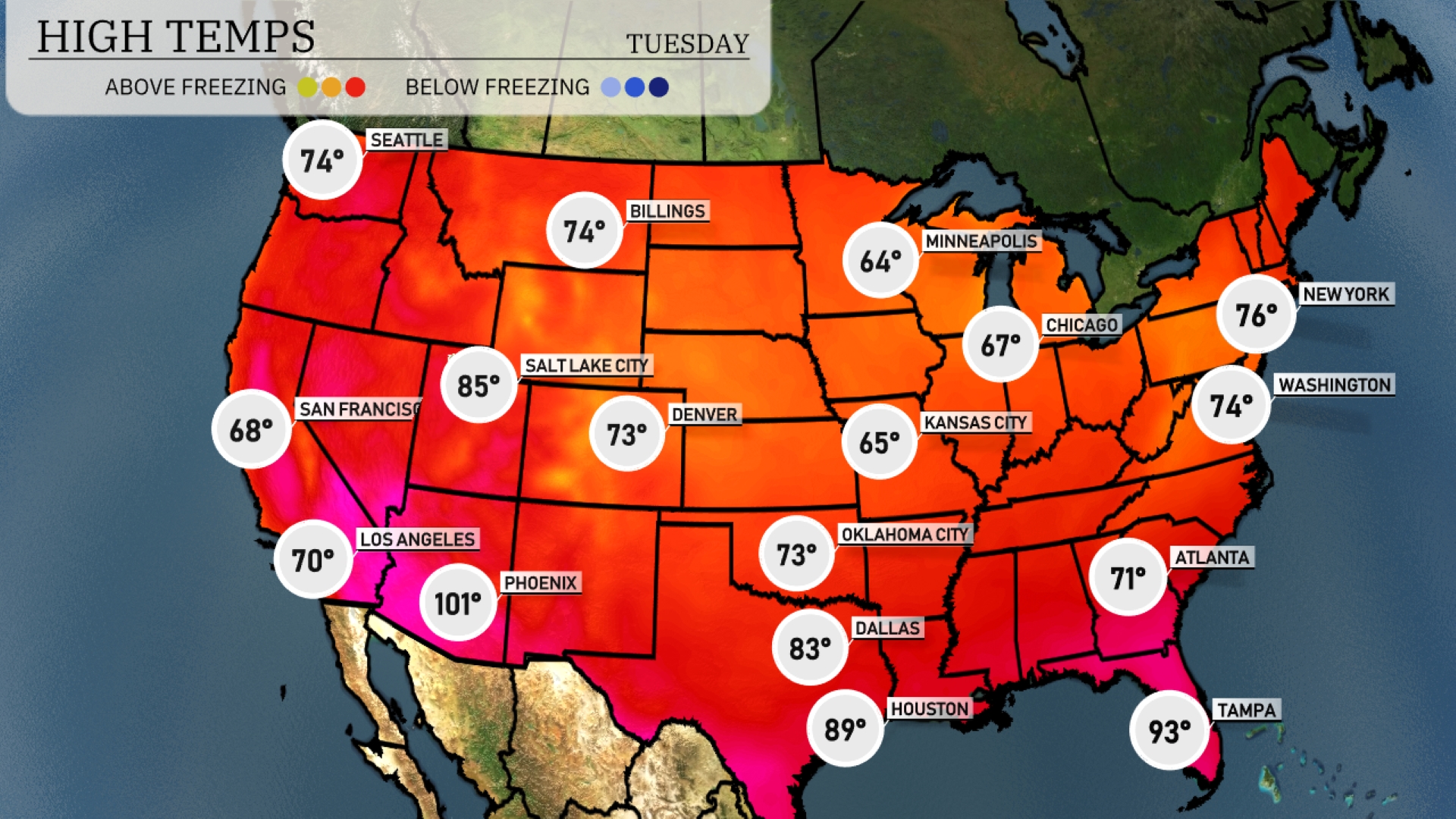
High temperatures for tomorrow show significant warming across the region. In the Southern Plains, El Paso will reach a comfortable 74 degrees, while Midland sizzles at 85 degrees. Texas cities are particularly warm, with San Antonio expected to hit 81 degrees and Dallas at 83. Meanwhile, New Orleans and Houston will warm up nicely, both reaching the upper 80s around 89 degrees. Additional warmth continues in Miami, with a high of 93 degrees expected. This pattern is driven by a strong ridge of high pressure enhancing warmth across many southern states.
Severe weather risks are on the rise over the next 48 hours, with strong thunderstorms expected from Dallas stretching to Atlanta. Embedded within these storms, there is a potential for damaging winds and hail, particularly across the South. A cold front moving through the Midwest will bring cooler temperatures to cities like Chicago and Kansas City. This front is anticipated to trigger showers and thunderstorms, so prepare for a wet commute. Meanwhile, the Pacific Northwest and California will experience a break in rainfall, giving way to mostly clear skies. However, mountain regions in the Northern Rockies should brace for some late-season snow, impacting higher elevations. On the East Coast, from New York to Washington, rain showers persist, with the potential for localized flooding. Stay informed with the latest updates, especially if you’re in the path of these active systems.